

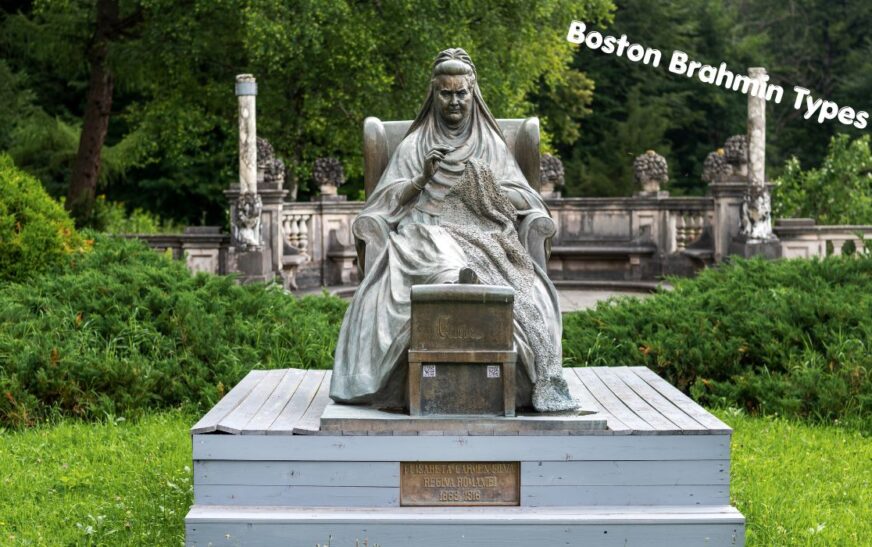
The term Boston Brahmin Types refers to the traditional social groups associated with New England’s historic upper class, particularly families whose influence shaped Boston’s political, economic, educational, and cultural institutions from the colonial era through the twentieth century. Although the phrase may suggest rigid categories, it actually describes a collection of elite lineages that shared similar ancestry, values, education, and social customs rather than official classifications.
For generations, Boston Brahmins represented what many historians call America’s “old money” aristocracy. Their families established influential businesses, founded charitable organizations, supported prestigious universities, and played significant roles in government and literature. Even today, the concept remains an important part of American history, helping explain how inherited wealth, education, and cultural traditions influenced society in New England and beyond.
This guide explores the different Boston Brahmin types, their historical origins, defining characteristics, notable families, cultural traditions, lasting influence, and their place in modern America.
What Are Boston Brahmin Types?
The phrase “Boston Brahmin” originated during the nineteenth century to describe Boston’s established Protestant elite. Writer and physician Oliver Wendell Holmes Sr. popularized the term by comparing these influential families to the respected Brahmin caste of India—not because of religion, but as a metaphor for social prestige and intellectual leadership.
Rather than being a legal or hereditary title, Boston Brahmin status developed through generations of family reputation, education, civic leadership, and financial stability. Families were often descendants of early English Puritan settlers who arrived during the seventeenth century and remained prominent for centuries.
When discussing Boston Brahmin types, historians generally refer to different branches or characteristics within this elite class rather than formal categories.
Historical Origins of Boston Brahmins
Understanding Boston Brahmin types begins with colonial New England. Many of these families traced their ancestry to Puritan settlers who arrived during the Great Migration between 1620 and 1640. These early settlers established churches, schools, businesses, and local governments that shaped Massachusetts for generations.
As Boston became a major port city, merchant families accumulated wealth through shipping, banking, insurance, and international trade. Unlike rapidly accumulated fortunes of the Industrial Age, Boston Brahmin wealth often developed gradually across several generations.
Education also became a defining feature. Families valued classical learning, public service, and intellectual achievement, encouraging future generations to attend elite preparatory schools and institutions such as Harvard University.
The Main Boston Brahmin Types
Although historians do not officially classify Boston Brahmins into fixed categories, they can generally be understood through several overlapping types based on influence and historical roles.
Merchant Families
Merchant Brahmins built fortunes through maritime commerce during the eighteenth and nineteenth centuries. Their investments in shipping, trade, and finance transformed Boston into one of America’s leading commercial centers.
Political Families
Many Boston Brahmins devoted themselves to public service. Members served as governors, senators, diplomats, judges, and cabinet officials while helping shape American political institutions.
Academic and Intellectual Families
Education remained central to Boston Brahmin identity. Numerous families produced professors, scientists, physicians, historians, and writers whose work influenced American scholarship for generations.
Philanthropic Families
Many elite families invested significant resources into hospitals, museums, libraries, universities, and charitable foundations. Their philanthropy continues to benefit cultural institutions throughout New England.
Business and Financial Leaders
As America’s economy evolved, Boston Brahmins expanded into banking, investment management, insurance, publishing, and manufacturing, adapting traditional wealth to changing economic conditions.
Characteristics That Defined Boston Brahmins
Several qualities consistently distinguished Boston Brahmins from other wealthy Americans.
Family heritage carried exceptional importance. Genealogy often reflected centuries of documented ancestry connected to colonial Massachusetts.
Education represented another defining characteristic. Academic excellence, intellectual curiosity, and lifelong learning were deeply valued.
Public service formed a cultural expectation. Rather than focusing solely on business success, many families believed wealth carried responsibilities toward society through politics, education, and philanthropy.
Religious tradition also played an influential role. Many families belonged to Congregational or Episcopal churches, although religious observance evolved over time.
Social behavior emphasized restraint, modesty, and discretion. Unlike newer wealthy families that sometimes displayed lavish lifestyles, Boston Brahmins often preferred understated elegance and quiet influence.
Famous Boston Brahmin Families
Several families became closely associated with Boston Brahmin society because of their lasting contributions to American history.
The Adams family produced two U.S. presidents along with diplomats, historians, and public servants whose influence extended well beyond New England.
The Lowell family became known for education, literature, law, and philanthropy.
The Cabot family established significant commercial enterprises while supporting civic institutions throughout Boston.
The Winthrop family traced its roots to colonial leadership under Governor John Winthrop, whose vision shaped early Massachusetts.
Other prominent names frequently connected with Boston Brahmin history include the Lodge, Saltonstall, Peabody, Quincy, Appleton, and Gardner families.
Education and Cultural Values
Education stood at the center of Boston Brahmin identity. Families invested heavily in rigorous schooling that emphasized literature, history, philosophy, science, and civic responsibility.
Harvard University became particularly significant because generations of Boston Brahmins studied, taught, donated, or served in university leadership.
Beyond academics, cultural refinement mattered greatly. Music, classical art, architecture, libraries, museums, and literary societies all reflected the community’s commitment to intellectual development.
Rather than measuring success solely by financial achievement, Boston Brahmins often valued character, education, and public contribution equally.
Wealth, Influence, and Social Status
Boston Brahmins represented America’s traditional “old money” class. Unlike entrepreneurs who accumulated wealth quickly, these families typically preserved financial stability through careful investment, conservative management, and long-term planning.
Their influence extended into banking, publishing, higher education, medicine, law, diplomacy, and public administration.
Membership in exclusive social clubs, charitable organizations, historical societies, and educational boards further strengthened relationships among elite families while encouraging civic leadership.
Although wealth remained important, social reputation depended equally upon integrity, education, and service.
Boston Brahmins in Literature and Popular Culture
The image of the Boston Brahmin has inspired numerous novels, biographies, and historical studies. Writers often portrayed these families as intelligent, reserved, disciplined, and deeply committed to tradition.
American literature sometimes celebrated their commitment to public service while also criticizing social exclusivity and inherited privilege.
Modern films and television occasionally reference Boston Brahmins to symbolize old-money culture, Ivy League education, and established social influence.
These portrayals demonstrate how the Boston Brahmin identity continues to occupy a unique place within America’s cultural imagination.
Modern Relevance of Boston Brahmin Types
Although traditional social boundaries have become less rigid, Boston Brahmin influence remains visible throughout New England.
Historic family names continue appearing in philanthropy, higher education, healthcare, museums, investment firms, and nonprofit organizations.
Today’s social landscape places greater emphasis on merit, diversity, and professional achievement rather than inherited status alone. Consequently, the term Boston Brahmin now serves primarily as a historical and cultural description rather than an active social classification.
Nevertheless, studying Boston Brahmin types offers valuable insight into how family heritage, education, civic leadership, and philanthropy contributed to American institutional development.
Common Misconceptions
One common misconception is that every wealthy Boston family qualifies as a Boston Brahmin. In reality, the designation traditionally referred to families with long-established colonial ancestry combined with sustained cultural and civic influence.
Another misunderstanding assumes Boston Brahmins formed a formal organization. No official membership or governing body ever existed.
Some also believe Boston Brahmins were defined solely by wealth. Historical evidence suggests education, public service, family reputation, and intellectual leadership proved equally important.
Conclusion
Understanding Boston Brahmin Types provides far more than a glimpse into America’s historic upper class. It reveals how generations of influential New England families shaped politics, education, commerce, philanthropy, literature, and cultural institutions that continue to influence society today.
Although modern America has become significantly more socially mobile and diverse, the legacy of Boston Brahmins remains visible in universities, museums, charitable foundations, public policy, and historical preservation efforts. Rather than representing a rigid social class, Boston Brahmin types illustrate how heritage, education, civic responsibility, and long-term leadership combined to create one of the nation’s most enduring cultural traditions.
Frequently Asked Questions
What does Boston Brahmin mean?
Boston Brahmin refers to members of New England’s historic upper class whose families gained prominence through colonial ancestry, education, business success, and public service. The term symbolizes old-money culture rather than an official title.
Are Boston Brahmins still influential today?
Yes. While modern society is far more diverse, many descendants remain active in philanthropy, education, finance, healthcare, and nonprofit leadership.
What religion were Boston Brahmins?
Historically, most Boston Brahmins belonged to Congregational or Episcopal churches, reflecting the religious traditions of early New England settlers.
Which universities were associated with Boston Brahmins?
Harvard University has long been the institution most closely connected with Boston Brahmin families, although many also attended other prestigious American and international universities.
Were all wealthy Boston families considered Boston Brahmins?
No. Wealth alone was never sufficient. Colonial ancestry, cultural influence, education, family reputation, and civic leadership also played significant roles.
Why are they called Brahmins?
The name was introduced as a metaphor comparing Boston’s intellectual and social elite to the respected Brahmin class of India. It was intended to describe social standing rather than religion.
What industries made Boston Brahmins wealthy?
Early fortunes often came from shipping, international trade, banking, insurance, manufacturing, publishing, and later investment management.
Why is the history of Boston Brahmins important?
Their history helps explain the development of American education, philanthropy, government, finance, and cultural institutions while offering insight into the evolution of social leadership in the United States.
MORE :- NEWS INNOVATION