
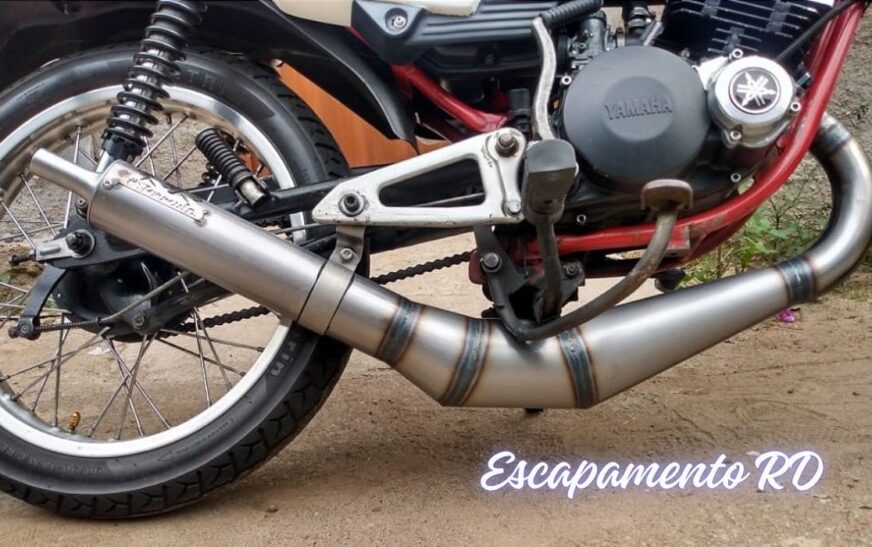
For motorcycle enthusiasts, few upgrades have as much impact on performance, sound, and riding experience as a high-quality exhaust system. Among riders who appreciate classic two-stroke motorcycles, the Escapamento RD is one of the most discussed and sought-after components. Whether you own an older Yamaha RD model, are restoring a vintage motorcycle, or simply want to understand how different exhaust systems affect engine performance, learning about the Escapamento RD is essential.
An exhaust system is far more than a pipe that directs gases away from the engine. On two-stroke motorcycles, it plays a vital role in power delivery, throttle response, fuel efficiency, engine temperature, and the distinctive exhaust note that many riders enjoy. Choosing the right exhaust can significantly improve acceleration, optimize engine performance, and even extend the lifespan of critical engine components when paired with proper tuning.
This comprehensive guide explores everything you need to know about the Escapamento RD, including its design, different types, materials, performance benefits, installation process, maintenance requirements, and common mistakes to avoid. Whether you’re a beginner researching your first upgrade or an experienced rider restoring a classic machine, this guide will help you make informed decisions.
What Is an Escapamento RD?
An Escapamento RD refers to an exhaust system specifically designed for Yamaha RD motorcycles or compatible two-stroke performance motorcycles. The Yamaha RD series earned worldwide recognition for its lightweight design, responsive engine, and exceptional performance during the 1970s and 1980s. Even today, these motorcycles remain highly valued among collectors and enthusiasts.
Unlike four-stroke motorcycles, two-stroke engines rely heavily on exhaust design for proper engine operation. The shape, diameter, and internal chamber of the exhaust directly influence how efficiently the engine removes burned gases while retaining the fresh air-fuel mixture inside the cylinder. This process, known as scavenging, is one of the primary reasons performance exhaust systems are carefully engineered.
Modern Escapamento RD systems are available in several configurations. Some are designed to replicate the original factory specifications for restoration projects, while others focus on increasing horsepower, improving throttle response, reducing weight, or creating a deeper, more aggressive exhaust sound.
Why the Exhaust System Is Critical for Two-Stroke Performance
Unlike four-stroke engines, which rely mainly on valve timing, two-stroke engines depend heavily on exhaust pulse tuning. Every component of the exhaust system influences engine behavior throughout the RPM range.
A properly designed expansion chamber creates pressure waves that help prevent unburned fuel from escaping the combustion chamber. Instead, these pressure waves push part of the fresh fuel mixture back into the cylinder before combustion begins. This unique characteristic allows two-stroke engines to generate impressive power relative to their displacement.
When riders upgrade to a high-quality Escapamento RD, they often notice several improvements, including stronger mid-range power, better high-RPM performance, faster throttle response, smoother acceleration, and a more refined engine note. However, these gains depend on selecting an exhaust that matches the engine’s specifications and intended riding style.
Poorly designed exhaust systems can have the opposite effect. Excessive backpressure or improper chamber dimensions may reduce engine efficiency, increase fuel consumption, and create inconsistent power delivery. That is why selecting the right exhaust requires careful consideration rather than choosing based solely on appearance or sound.
Types of Escapamento RD
Several types of Escapamento RD systems are available, each designed for different riding preferences and performance goals.
Original Equipment (OEM-Style)
OEM-style exhausts closely replicate the factory design and are ideal for riders restoring classic Yamaha RD motorcycles. These systems preserve the motorcycle’s original appearance while maintaining balanced performance characteristics. They are often preferred by collectors who value authenticity and historical accuracy.
Performance Expansion Chamber
Expansion chamber exhausts are specifically engineered to maximize two-stroke performance. Their distinctive curved shape is carefully calculated to improve exhaust gas flow and optimize pressure wave timing. These systems are commonly chosen by riders seeking faster acceleration, increased horsepower, and improved responsiveness during spirited riding.
Lightweight Racing Exhaust
Racing-oriented systems focus on minimizing weight while maximizing airflow. Manufacturers often use thinner steel, stainless steel, titanium, or specialized alloys to reduce overall motorcycle weight. These exhausts generally produce the greatest performance gains but may require carburetor adjustments and engine tuning for optimal results.
Street Performance Exhaust
Street performance exhausts offer a compromise between factory comfort and racing performance. They provide noticeable improvements in engine response without creating excessive noise or sacrificing everyday rideability. Many riders consider this type the most practical choice for regular road use.
Materials Used in Escapamento RD Systems
The material used in an exhaust system affects durability, corrosion resistance, heat management, appearance, maintenance requirements, and overall weight.
Mild Steel
Mild steel remains a popular choice because it is affordable and relatively easy to manufacture. It provides excellent performance but requires regular maintenance to prevent rust, particularly in humid climates or regions where roads are frequently wet.
Stainless Steel
Stainless steel offers superior corrosion resistance while maintaining excellent structural strength. It generally requires less maintenance than mild steel and retains its appearance for many years. Although more expensive, many riders consider stainless steel an excellent long-term investment.
Titanium
Titanium represents one of the highest-quality materials available for performance exhaust systems. It combines exceptional strength with extremely low weight while offering excellent heat resistance. Titanium exhausts are commonly found on premium racing motorcycles due to their impressive performance characteristics.
Carbon Fiber Components
Although complete carbon fiber exhaust systems are uncommon, many modern designs incorporate carbon fiber end caps or protective shields. These components reduce weight while providing a distinctive premium appearance.
Selecting the right material depends on budget, intended riding conditions, maintenance expectations, and desired aesthetics.
Performance Benefits of Upgrading to an Escapamento RD
One of the primary reasons riders install an aftermarket Escapamento RD is to enhance motorcycle performance. However, the benefits extend far beyond increased horsepower.
A properly engineered exhaust improves exhaust gas evacuation, allowing the engine to breathe more efficiently. Better airflow reduces pumping losses and enhances combustion efficiency. Riders often experience smoother throttle transitions, stronger acceleration, improved mid-range torque, and more consistent power delivery across the RPM range.
Weight reduction is another significant advantage. Many aftermarket exhaust systems weigh considerably less than factory components, contributing to improved handling, faster direction changes, and enhanced overall riding dynamics.
Engine temperature management can also improve when exhaust gases exit more efficiently. Lower operating temperatures may reduce thermal stress on engine components, particularly during spirited riding or extended highway travel.
Many enthusiasts also appreciate the distinctive sound produced by a performance exhaust. While sound should never be the sole purchasing factor, a carefully tuned exhaust delivers a crisp, balanced tone that reflects the motorcycle’s mechanical character without compromising performance.
Another overlooked benefit is customization. Riders can select an exhaust system that matches their riding goals, whether restoring a vintage motorcycle, preparing for track use, or enhancing everyday street performance.
Installing an Escapamento RD: Step-by-Step Overview
Installing an Escapamento RD is a straightforward project for experienced mechanics, but careful preparation ensures the best results. Before beginning, allow the engine to cool completely and place the motorcycle securely on a stand. Disconnecting the battery is also a good safety practice when working around engine components.
Start by removing the original exhaust system. Inspect the exhaust studs, mounting brackets, and gaskets for signs of wear or corrosion. Replacing old exhaust gaskets during installation helps prevent leaks that could reduce engine performance. Before fitting the new system, compare all mounting points to confirm compatibility with your specific Yamaha RD model.
Position the new exhaust without fully tightening the mounting bolts. This allows small adjustments to achieve proper alignment and prevent unnecessary stress on the brackets. Once everything is correctly positioned, tighten the fasteners according to the manufacturer’s recommended torque specifications. After installation, start the engine and inspect the joints for leaks, unusual vibrations, or contact with nearby components. A short test ride followed by a final bolt inspection helps ensure everything remains secure after the exhaust reaches operating temperature.
Carburetor Tuning After Installing an Escapamento RD
Many riders overlook one critical step after installing a performance exhaust: engine tuning. Because an aftermarket Escapamento RD often changes exhaust flow characteristics, the engine’s air-fuel mixture may also change.
A lean fuel mixture can increase engine temperatures and reduce reliability, while an overly rich mixture may decrease power and increase fuel consumption. Proper carburetor jetting helps restore the ideal balance for your motorcycle. Depending on the exhaust design, adjustments may include changing the main jet, pilot jet, needle position, or idle mixture screw.
Spark plug readings remain one of the most effective ways to evaluate engine tuning. A properly tuned engine typically produces a light brown or tan-colored spark plug. White plugs may indicate a lean condition, while dark, sooty deposits often suggest excessive fuel. Riders unfamiliar with carburetor tuning should consult an experienced technician to avoid potential engine damage.
Maintenance Tips for Long-Term Performance
Routine maintenance keeps an Escapamento RD performing efficiently while extending its service life. Dirt, moisture, road salt, and carbon deposits gradually affect both appearance and performance if ignored.
Clean the exterior regularly using products suitable for the exhaust material. Stainless steel generally requires only mild cleaning solutions, while painted mild steel exhausts benefit from protective coatings that help prevent corrosion. Avoid harsh abrasives that may damage protective finishes.
Two-stroke engines naturally produce carbon buildup inside the exhaust over time. Excessive deposits can restrict exhaust flow and reduce engine performance. Depending on riding conditions and oil quality, periodic decarbonizing may be necessary to restore optimal airflow.
Inspect mounting brackets, springs, welds, and fasteners during routine maintenance. Engine vibration can gradually loosen hardware, especially after installing a new exhaust. Replacing worn rubber mounts and tightening loose bolts prevents unnecessary stress on the system and minimizes unwanted vibration.
Common Problems and How to Solve Them
Although a quality Escapamento RD is designed for durability, certain issues may develop throughout its lifespan.
One common problem is exhaust leakage around the cylinder connection. Worn gaskets, improperly tightened fasteners, or damaged mounting surfaces are usually responsible. Replacing the gasket and ensuring even bolt torque typically resolves the issue.
Rust is another concern, particularly for mild steel exhaust systems exposed to moisture. Regular cleaning and protective coatings help minimize corrosion. If rust becomes severe, replacing the affected section is often the safest solution.
Some riders experience reduced performance after installing an aftermarket exhaust. In many cases, the problem is not the exhaust itself but incorrect carburetor tuning or an incompatible exhaust design. Choosing an exhaust engineered specifically for the motorcycle model generally produces the best results.
Unusual rattling noises may indicate loose mounting brackets, damaged internal baffles, or worn springs. Prompt inspection prevents further damage and improves riding comfort.
How to Choose the Best Escapamento RD
Selecting the right exhaust involves more than comparing prices. Riders should first determine their primary objective. A motorcycle intended for restoration typically benefits from an OEM-style exhaust, while performance enthusiasts may prefer an expansion chamber designed for increased horsepower.
Material quality should also influence purchasing decisions. Stainless steel offers an excellent balance of durability and maintenance, while titanium provides premium weight savings for riders seeking maximum performance. Budget-conscious owners may find mild steel to be a practical option when properly maintained.
Compatibility is equally important. Always verify that the exhaust matches the motorcycle’s engine size, production year, and mounting configuration. Purchasing from established manufacturers with a reputation for quality engineering often provides better fitment, improved reliability, and stronger customer support.
Finally, consider local regulations regarding exhaust noise and emissions. Some high-performance systems are intended only for closed-course competition and may not comply with street-use requirements in every region.
Legal and Environmental Considerations
Motorcycle exhaust regulations vary between countries and regions. Many jurisdictions establish maximum allowable noise levels and emissions standards for motorcycles operated on public roads. Riders should verify local laws before installing an aftermarket exhaust to avoid fines or inspection issues.
Environmental responsibility also deserves consideration. Proper engine tuning helps reduce unnecessary emissions while improving fuel efficiency. Choosing quality components that maintain efficient combustion supports both engine reliability and responsible motorcycle ownership.
Responsible riders balance performance improvements with respect for local communities by avoiding unnecessarily loud exhaust systems and maintaining their motorcycles in proper operating condition.
Expert Recommendations for Getting the Best Results
Experienced mechanics generally recommend viewing the exhaust system as part of the motorcycle’s complete performance package rather than an isolated upgrade. Combining a quality Escapamento RD with proper carburetor tuning, regular maintenance, clean air filtration, and high-quality two-stroke oil delivers the most consistent performance gains.
Routine inspections help identify minor issues before they become expensive repairs. Checking fasteners, monitoring engine temperature, replacing worn gaskets, and cleaning carbon deposits all contribute to long-term reliability.
For riders restoring vintage Yamaha RD motorcycles, preserving overall engine condition is often more valuable than pursuing maximum horsepower. A balanced approach ensures dependable performance while maintaining the motorcycle’s classic character and collectible value.
Conclusion
The Escapamento RD remains one of the most important upgrades for riders who own or restore Yamaha RD motorcycles. Because two-stroke engines rely heavily on exhaust design, selecting the right system influences nearly every aspect of motorcycle performance, including acceleration, throttle response, fuel efficiency, engine temperature, and riding enjoyment.
Understanding the differences between OEM replacements, expansion chambers, racing exhausts, and street-performance systems allows riders to choose the option that best matches their goals. Equally important are proper installation, accurate carburetor tuning, and regular maintenance, all of which help maximize performance while protecting the engine.
Whether your priority is restoring a vintage classic, improving everyday rideability, or extracting additional performance for spirited riding, investing in a well-designed Escapamento RD can significantly enhance the overall riding experience. By choosing quality components, following recommended maintenance practices, and ensuring proper engine tuning, you’ll enjoy reliable performance and preserve the legendary character that has made Yamaha RD motorcycles popular for decades.
Frequently Asked Questions (FAQs)
What is an Escapamento RD?
An Escapamento RD is an exhaust system designed for Yamaha RD motorcycles or compatible two-stroke engines. It improves exhaust flow, enhances engine performance, and contributes to the motorcycle’s distinctive sound.
Does an aftermarket Escapamento RD increase horsepower?
Yes, a properly engineered performance exhaust can improve horsepower, throttle response, and mid-to-high RPM performance. Actual gains depend on engine condition, tuning, and the quality of the exhaust system.
Do I need to tune the carburetor after installing a new exhaust?
In many cases, yes. A performance exhaust changes exhaust flow characteristics, so carburetor adjustments may be necessary to maintain the correct air-fuel mixture and protect the engine.
Which material is best for an Escapamento RD?
Stainless steel offers an excellent balance of durability, corrosion resistance, and long-term value. Titanium provides superior weight savings but usually comes at a higher price.
How often should I maintain my exhaust system?
Inspect the exhaust during regular motorcycle maintenance and clean it periodically. Two-stroke motorcycles may also require occasional removal of carbon deposits to maintain peak performance.
Can I install an Escapamento RD myself?
Experienced motorcycle owners can often complete the installation using standard tools and the correct replacement parts. If engine tuning is required afterward, professional assistance may provide the safest results.
Will a louder exhaust always improve performance?
No. Sound alone does not indicate better performance. Exhaust design, expansion chamber geometry, and proper engine tuning have a much greater impact on power output than noise level.
How can I extend the life of my Escapamento RD?
Regular cleaning, proper storage, periodic inspection of mounting hardware, timely gasket replacement, and correct engine tuning all help maximize the lifespan and performance of the exhaust system.
MORE :- NEWS INNOVATION