
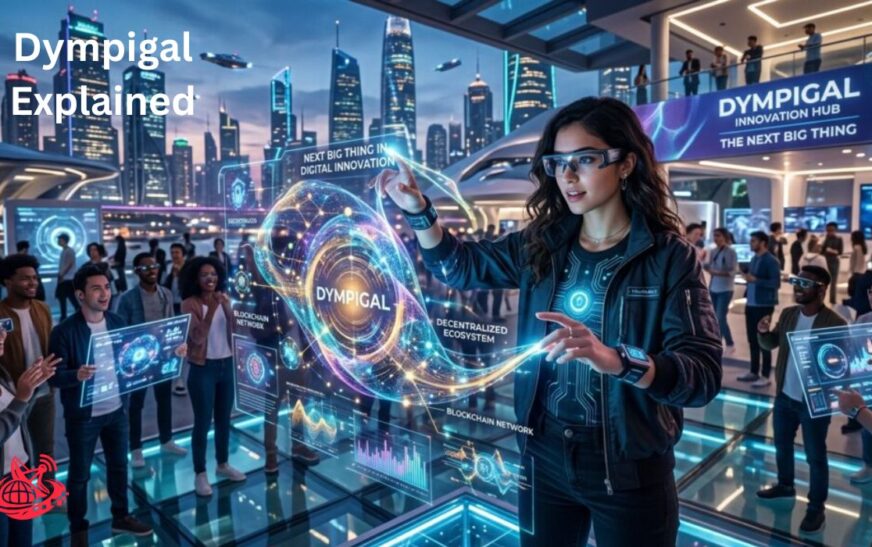
The phrase “Dympigal Explained” has steadily gained attention across online discussions, digital communities, and emerging technology conversations. Many people encounter the term without fully understanding what it represents, how it functions, or why it continues to appear in searches and trend-based discussions. As interest grows, users are looking for clear, trustworthy, and comprehensive information that goes beyond surface-level explanations.
In my experience researching evolving digital concepts and internet-driven innovations, I have noticed that terms like Dympigal often become popular before detailed educational resources are widely available. That creates confusion for beginners while also leading to misinformation spread through forums, low-quality blogs, and incomplete summaries. This guide aims to solve that problem by offering a complete breakdown of Dympigal in simple but authoritative language.
This article explores the origins, purpose, functionality, benefits, practical applications, industry relevance, challenges, and future trends connected to Dympigal. Whether you are hearing about it for the first time or trying to deepen your understanding, this detailed guide provides a structured explanation designed for modern readers seeking clarity and actionable insight.
Table of Contents
ToggleWhat Is Dympigal?
Dympigal refers to a developing concept associated with digital interaction systems, online informational frameworks, and evolving technological communication methods. While the exact interpretation can vary depending on the context in which it is discussed, Dympigal is generally viewed as a structured approach that combines functionality, accessibility, and user-oriented digital processes.
When I first encountered discussions surrounding Dympigal, the most noticeable pattern was the strong emphasis on adaptability. Unlike rigid systems that force users into complicated workflows, Dympigal appears to focus on streamlining interactions and creating more intuitive experiences. This adaptability is one reason the term has become increasingly relevant in online conversations related to innovation and digital transformation.
Another important aspect is that Dympigal is often associated with modern frameworks designed to improve operational efficiency, communication flow, and accessibility across digital environments. This broader interpretation allows it to connect with multiple industries and audiences.
The Origins and Growing Popularity of Dympigal
The rise of Dympigal reflects a larger shift occurring across the digital world. Over the last decade, users have increasingly demanded systems that are faster, easier to understand, and more responsive to real-world needs. Many digital solutions became overly complex, forcing businesses and individuals to seek alternatives that prioritize usability and clarity.
Dympigal gained traction because it aligned with these expectations. Early discussions appeared primarily in specialized online communities where users explored emerging digital trends and productivity-focused innovations. As content creators and researchers began referencing the concept, search interest expanded significantly.
From my observation of online trend cycles, concepts like Dympigal usually succeed when they address practical frustrations experienced by ordinary users. Instead of emphasizing technical jargon alone, Dympigal discussions frequently focus on real usability, accessibility, and efficiency. That human-centered approach has contributed to its expanding popularity across broader audiences.
The increased visibility of Dympigal also reflects growing interest in smarter systems that balance automation with user control. As industries continue digitizing their services, frameworks that simplify engagement naturally receive more attention.
Core Functionality Behind Dympigal
Understanding the functionality of Dympigal requires examining how it improves interaction, organization, and adaptability within digital environments. At its core, Dympigal appears to operate as a framework that prioritizes efficient information flow and user-focused experiences.
One important characteristic is flexibility. Traditional systems often rely on static structures that become difficult to scale or modify. Dympigal, however, emphasizes dynamic adaptability, allowing processes to evolve alongside changing user demands and technological advancements.
Another defining feature involves accessibility. During my research into user-centered digital systems, accessibility repeatedly emerged as one of the strongest indicators of long-term success. Dympigal-related discussions consistently highlight the importance of reducing friction for users while maintaining functionality and performance.
Scalability also plays a major role. Whether implemented in small operational environments or larger digital ecosystems, Dympigal frameworks appear designed to accommodate growth without sacrificing efficiency. This capability makes the concept appealing to businesses, developers, and technology strategists seeking sustainable digital solutions.
Why Dympigal Matters in Modern Digital Environments

Digital ecosystems are becoming increasingly interconnected, which creates both opportunities and challenges. Users expect instant access to information, seamless communication, and efficient systems that reduce unnecessary complexity. Dympigal matters because it addresses many of these expectations directly.
One lesson I have learned from studying evolving technologies is that successful systems are rarely the most technically complicated. Instead, they are the systems that solve genuine user problems in practical ways. Dympigal aligns with this principle by emphasizing usability, organization, and operational clarity.
Businesses benefit because improved workflows can increase productivity and reduce confusion. Individual users benefit because simplified interactions make digital tools more approachable and efficient. Developers and strategists benefit because adaptable systems are easier to maintain and improve over time.
The relevance of Dympigal also extends into long-term digital sustainability. As online environments continue evolving, frameworks capable of adapting without constant restructuring become increasingly valuable. This is one reason experts discussing future-ready systems often reference concepts similar to Dympigal.
Key Advantages of Dympigal
One of the strongest advantages of Dympigal is its emphasis on user experience. Many traditional systems prioritize technical complexity over practical usability, which can discourage engagement. Dympigal attempts to bridge that gap by creating more accessible interactions.
Efficiency is another major benefit. In professional settings, inefficient systems waste time, reduce productivity, and create communication barriers. Dympigal-related frameworks often focus on simplifying operational processes, helping organizations streamline workflows and improve consistency.
Flexibility also deserves attention. From my perspective, adaptable systems outperform rigid structures because they can evolve alongside market changes and user expectations. Dympigal’s adaptable approach allows for smoother integration into different environments without requiring complete restructuring.
Another advantage is scalability. Businesses seeking long-term digital growth require systems capable of supporting expansion without introducing excessive operational strain. Dympigal’s scalable structure makes it attractive for organizations planning future development.
Finally, Dympigal encourages innovation by supporting experimentation and iterative improvement. Instead of locking users into fixed models, it creates room for ongoing refinement and adaptation.
Common Applications and Real-World Use Cases
Although interpretations of Dympigal may vary, its principles can apply to multiple real-world scenarios. One common application involves digital communication systems designed to improve clarity, accessibility, and workflow management.
I have seen comparable frameworks used in collaborative platforms where teams require streamlined information sharing and adaptive operational structures. In these cases, the primary goal is reducing friction while improving coordination between users.
Educational environments also benefit from Dympigal-inspired approaches. Learning platforms increasingly prioritize accessibility, intuitive navigation, and personalized experiences. Systems built around these principles often improve engagement and knowledge retention.
Another practical use case involves digital business management. Organizations operating across multiple departments frequently struggle with disconnected systems and inefficient communication channels. Dympigal-style frameworks can help unify processes while supporting scalability and adaptability.
Technology startups are particularly interested in these concepts because early-stage businesses need flexible systems capable of evolving quickly. Static infrastructures often become barriers to innovation, while adaptable models encourage faster experimentation and growth.
Challenges and Misconceptions About Dympigal
Despite its advantages, Dympigal is not immune to misunderstanding. One common misconception is that it represents a single product or fixed technology. In reality, it is more accurately understood as a broader framework or conceptual approach connected to digital efficiency and adaptability.
Another challenge involves inconsistent definitions across online sources. During my research, I noticed that many discussions use the term differently depending on the industry or context. This inconsistency can confuse newcomers trying to understand the concept clearly.
There is also a tendency for online trends to exaggerate capabilities. Some articles describe Dympigal as a revolutionary solution capable of instantly solving operational challenges. In practice, no framework eliminates all complexity. Successful implementation still requires thoughtful planning, user understanding, and strategic integration.
Adoption barriers may also appear in organizations resistant to operational change. Even effective systems can fail if leadership and users are unwilling to adapt existing workflows. This highlights the importance of education, communication, and gradual implementation strategies.
The Relationship Between Dympigal and Emerging Technology Trends
Dympigal aligns closely with several major technology trends shaping the future of digital interaction. Artificial intelligence, automation, cloud-based systems, and adaptive user experiences all reflect principles commonly associated with Dympigal discussions.
One trend that stands out is personalization. Modern users expect digital environments tailored to their preferences and behaviors. Dympigal-related frameworks support this demand by emphasizing adaptable structures capable of evolving around user needs.
Automation is another important connection. Businesses increasingly rely on automated systems to improve efficiency and reduce repetitive tasks. However, poorly designed automation can create frustration instead of convenience. Dympigal’s focus on usability helps ensure automation remains accessible and beneficial.
Cloud technology also complements Dympigal concepts because scalable digital infrastructures require flexible frameworks capable of supporting distributed operations. As remote work and global collaboration continue expanding, these capabilities become even more important.
Cybersecurity discussions are also relevant. Any adaptable digital framework must balance accessibility with strong security standards. Future developments related to Dympigal will likely place greater emphasis on secure, trustworthy implementation practices.
Expert Insights and Industry Perspectives
Industry experts consistently emphasize the importance of user-focused innovation. In my experience analyzing digital transformation strategies, the most successful frameworks are the ones that reduce complexity while maintaining performance and reliability.
Researchers studying digital adoption patterns often highlight simplicity as a critical factor in user engagement. Systems that overwhelm users with unnecessary complexity tend to experience lower retention and reduced operational efficiency. Dympigal appears to address this issue by prioritizing intuitive design and scalable functionality.
Technology consultants also stress the importance of adaptability. Markets evolve rapidly, and businesses relying on rigid infrastructures frequently struggle to keep pace with changing consumer expectations. Dympigal-inspired approaches offer a more flexible alternative capable of supporting continuous improvement.
Another important perspective comes from user experience specialists who focus on accessibility and engagement. Their work demonstrates that intuitive systems improve satisfaction, productivity, and long-term usability. These principles align closely with the broader philosophy associated with Dympigal.
Future Trends and Long-Term Potential
The future of Dympigal will likely depend on how digital ecosystems continue evolving over the next several years. Based on current trends, demand for adaptable, scalable, and user-centered frameworks is expected to increase significantly.
One major trend involves deeper integration between automation and personalized digital experiences. Systems capable of adapting intelligently to user behavior will become increasingly valuable across industries ranging from education to business management.
Another likely development is increased emphasis on interoperability. Organizations want systems that communicate seamlessly across platforms instead of operating in isolated silos. Dympigal-related frameworks may play a role in supporting this interconnected future.
I also expect growing attention toward ethical digital design. Users are becoming more aware of privacy concerns, algorithmic transparency, and accessibility issues. Future implementations associated with Dympigal will likely prioritize trust, transparency, and responsible innovation.
As technology continues advancing, the ability to balance efficiency with human-centered usability will remain a defining factor for successful digital systems. Dympigal’s growing relevance suggests it may continue influencing conversations about the future of digital interaction and operational design.
Conclusion
Understanding Dympigal requires looking beyond simple definitions and exploring the broader principles connected to adaptability, usability, scalability, and digital efficiency. Throughout this guide, we examined how Dympigal emerged, why it matters, how it functions, and what advantages it offers in modern digital environments.
From my perspective, the growing interest surrounding Dympigal reflects a larger shift toward human-centered technology. Users no longer accept overly complicated systems that prioritize technical complexity over practical functionality. Instead, they seek frameworks capable of improving accessibility, simplifying workflows, and supporting long-term adaptability.
As industries continue evolving, concepts like Dympigal will likely become increasingly important in shaping the future of digital interaction. Businesses, developers, educators, and everyday users all benefit from systems designed with flexibility and usability in mind.
Ultimately, “Dympigal Explained” is more than just a trending phrase. It represents an ongoing movement toward smarter, more efficient, and more user-focused digital experiences that align with the changing expectations of modern audiences.
Frequently Asked Questions (FAQs)
What does Dympigal mean?
Dympigal generally refers to a digital framework or conceptual approach focused on adaptability, efficiency, and user-centered interaction. The term is often associated with improving workflows and simplifying digital experiences.
Why is Dympigal becoming popular?
Dympigal is gaining popularity because users and businesses increasingly prefer systems that are flexible, scalable, and easy to use. Its focus on accessibility and streamlined functionality aligns with current technology trends.
Is Dympigal a software product or a concept?
In most discussions, Dympigal is treated more as a concept or framework rather than a single software product. Different industries may interpret and apply the idea in unique ways depending on their operational goals.
How does Dympigal improve digital efficiency?
Dympigal improves efficiency by reducing unnecessary complexity, enhancing communication flow, and supporting adaptable operational structures. These features help organizations and users work more effectively.
Can small businesses benefit from Dympigal?
Yes, small businesses can benefit significantly from Dympigal-inspired systems because flexible and scalable frameworks allow them to adapt quickly without requiring major infrastructure changes.
Does Dympigal relate to artificial intelligence?
Dympigal can connect with artificial intelligence because both focus on improving digital interaction and operational efficiency. AI-powered systems may use Dympigal principles to create more personalized user experiences.
What industries use Dympigal-related approaches?
Industries such as education, digital marketing, business management, software development, and collaborative technology platforms often apply principles associated with Dympigal.
What is the future potential of Dympigal?
The future potential of Dympigal appears strong due to growing demand for adaptable, user-focused digital systems. As technology evolves, frameworks emphasizing scalability and accessibility will likely become even more valuable.
MORE :- NEWS INNOVATION