

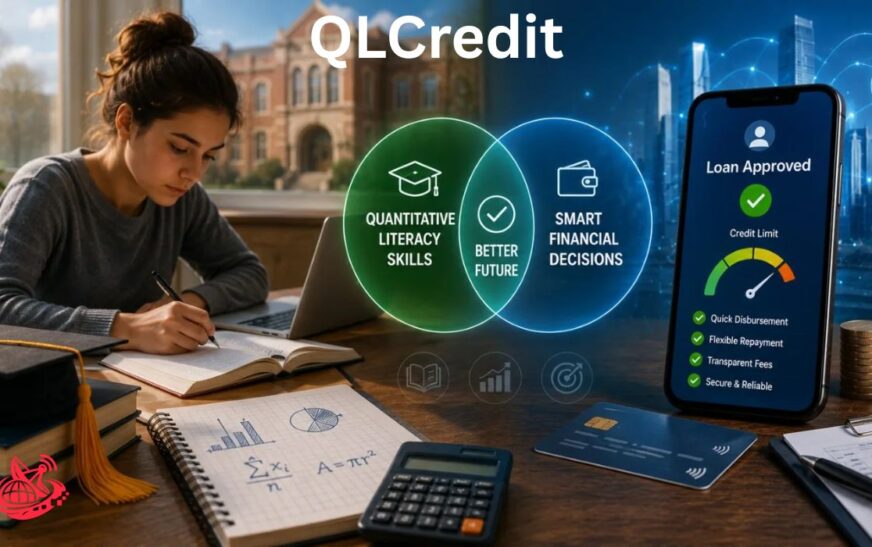
In recent years, digital financial platforms have transformed how people access and manage credit. Among the emerging solutions gaining attention is QLCredit, a platform designed to simplify financial access while helping users navigate modern borrowing and credit management systems more efficiently. For many consumers, especially those who have struggled with traditional lending barriers, platforms like QLCredit represent a practical step toward faster approvals, streamlined financial services, and more accessible credit opportunities.
When I first started researching online credit systems and digital lending platforms, I noticed that many users shared the same frustrations: complicated applications, unclear eligibility requirements, slow processing times, and hidden fees. Over time, digital credit services evolved to address these issues, and QLCredit has become part of that growing movement focused on convenience, transparency, and user accessibility. Understanding how such systems work can help individuals make informed financial decisions while avoiding common borrowing mistakes.
This beginner’s guide explores how QLCredit works, how to apply, ways to manage credit responsibly, and strategies to improve financial access in today’s rapidly changing digital economy. Whether you are new to online credit platforms or searching for smarter financial tools, understanding the structure and benefits of QLCredit can help you build stronger financial habits and make more confident borrowing decisions.
What Is QLCredit?
QLCredit is a digital credit-focused platform designed to simplify access to financial services for consumers seeking flexible and modern borrowing solutions. Unlike traditional banking systems that often involve lengthy approval procedures and excessive paperwork, QLCredit emphasizes convenience, faster processing, and user-friendly accessibility.
Many users are drawn to digital credit services because they offer practical alternatives to conventional financial institutions. In my experience reviewing online lending ecosystems, platforms similar to QLCredit often appeal to freelancers, remote workers, young professionals, and individuals building or rebuilding their financial standing. These services typically streamline the application process while using digital verification methods to improve efficiency.
Another major aspect of QLCredit is its focus on helping users manage their financial profiles more effectively. Beyond simple borrowing, digital credit systems frequently integrate account monitoring tools, payment tracking, financial management insights, and customer support features that assist users in maintaining responsible credit habits.
How QLCredit Works
Understanding how QLCredit operates is essential before submitting an application. Most digital credit systems function through automated evaluation technology that reviews user information, verifies identity, and assesses financial eligibility within a shorter timeframe than traditional lenders.
The process generally begins with account registration, where users provide personal information, identification details, and financial background data. Once submitted, the platform analyzes multiple factors that may include income stability, repayment capacity, account activity, and digital verification records. This automated approach reduces delays that are commonly associated with manual underwriting systems.
From my observations of modern fintech platforms, one reason consumers appreciate systems like QLCredit is the ability to monitor applications digitally in real time. Instead of waiting for days or weeks, users can often receive updates, approval notifications, or additional verification requests directly through an online dashboard. This creates a more transparent and manageable experience for applicants.
Digital lending technology also allows financial providers to personalize services based on user behavior and repayment history. Responsible usage can improve future borrowing opportunities and strengthen long-term financial access.
Benefits of Using QLCredit
One of the most noticeable advantages of QLCredit is convenience. Traditional lending procedures often require multiple appointments, paperwork submissions, and prolonged verification stages. Digital platforms significantly reduce these obstacles by allowing users to complete most tasks online.
Another important benefit is accessibility. Many consumers who face challenges obtaining traditional loans seek alternative financial solutions that provide more flexible qualification standards. QLCredit may help bridge this gap by offering digital-first services that prioritize efficiency and broader accessibility.
Speed is another major factor. Financial emergencies rarely arrive with advance notice, and many users need quicker approval systems than conventional institutions can provide. Digital platforms often streamline approvals and fund distribution processes, helping users respond faster to urgent financial situations.
In addition, modern credit services increasingly include educational resources and financial management tools. These features encourage users to monitor repayment behavior, understand borrowing responsibilities, and develop healthier financial practices over time.
How to Apply for QLCredit
Applying for QLCredit generally begins with creating an account on the platform and completing identity verification requirements. Most online credit systems require accurate personal details, proof of identification, and financial information to evaluate eligibility.
From practical experience reviewing digital finance applications, preparation significantly improves the approval process. Applicants should ensure their information is accurate, up to date, and consistent across all submitted documents. Even small discrepancies can delay verification procedures or trigger additional security reviews.
Applicants are commonly asked to provide details regarding employment, monthly income, banking information, and repayment capability. Digital verification tools may also request mobile authentication or email confirmation to strengthen account security.
Once the application is submitted, the platform reviews the information and communicates approval status electronically. Depending on the service structure, approved users may gain access to digital credit features, borrowing tools, repayment schedules, or financial management resources shortly after confirmation.
Understanding Credit Management Through QLCredit

Managing credit responsibly is one of the most important financial skills users can develop. While gaining access to credit may feel empowering, long-term financial stability depends heavily on disciplined repayment habits and careful budgeting.
Over the years, financial experts have consistently emphasized that credit should be treated as a strategic financial tool rather than unrestricted spending power. Platforms like QLCredit can support users by providing repayment tracking systems, account monitoring tools, and financial reminders that help maintain consistency.
One lesson many borrowers learn through experience is that missed payments can negatively affect future financial opportunities. Responsible management includes making payments on time, avoiding unnecessary borrowing, and maintaining realistic repayment expectations. These practices contribute to stronger financial credibility and better long-term outcomes.
Financial awareness also plays a critical role. Users who regularly monitor their activity, understand their obligations, and stay informed about repayment schedules are more likely to maintain stable financial health.
Improving Financial Access With Digital Credit Platforms
Digital lending systems have changed how underserved populations interact with financial services. In the past, individuals with limited banking history or nontraditional income sources often struggled to qualify for financial products through conventional institutions.
QLCredit reflects a broader industry trend focused on expanding financial inclusion through technology-driven evaluation systems. Instead of relying solely on traditional banking metrics, digital platforms may assess broader financial behaviors and alternative indicators of reliability.
From studying financial accessibility trends, it is clear that digital platforms have created opportunities for individuals previously excluded from standard lending systems. Freelancers, gig economy workers, remote professionals, and younger consumers increasingly rely on online financial services to access credit and build financial profiles.
This shift also highlights the growing role of financial technology in supporting economic participation globally. As digital infrastructure expands, platforms like QLCredit may continue contributing to broader access to modern financial tools and services.
Security and Privacy Considerations
Security is one of the most important concerns when using online financial platforms. Users share sensitive information during registration and verification processes, making data protection a critical component of trust.
Reliable digital credit systems typically implement encryption technology, secure authentication procedures, and fraud prevention measures to protect user information. From my experience evaluating financial platforms, users should always review privacy policies, account protection tools, and security protocols before submitting financial details online.
Consumers should also practice personal cybersecurity habits. Strong passwords, multi-factor authentication, and cautious browsing behavior help reduce exposure to online threats. Avoiding suspicious links and verifying official platform communication are equally important for account safety.
Trustworthy financial services maintain transparency regarding fees, repayment structures, and data usage practices. Reading terms carefully before agreeing to any financial arrangement helps users avoid misunderstandings and make informed decisions.
Common Mistakes New Borrowers Should Avoid
Many first-time borrowers make avoidable financial mistakes that can create long-term challenges. One common issue is borrowing more than necessary without fully understanding repayment responsibilities. While quick access to funds may feel convenient, excessive borrowing often leads to financial stress.
Another mistake involves ignoring repayment schedules. Missed or delayed payments can damage financial credibility and reduce future borrowing opportunities. In my observations, individuals who maintain organized payment planning generally experience fewer financial difficulties over time.
Some users also fail to compare financial options carefully before committing to a service. Understanding fees, repayment terms, and eligibility requirements helps borrowers choose solutions that align with their financial goals.
Emotional decision-making is another risk factor. Financial stress sometimes encourages impulsive borrowing behavior, especially during emergencies. Developing a clear repayment strategy before accepting credit can reduce long-term complications and support healthier financial management.
The Growing Role of Financial Technology
Financial technology continues reshaping the global economy, influencing everything from digital banking to automated lending systems. QLCredit exists within this rapidly evolving fintech ecosystem that prioritizes accessibility, automation, and convenience.
The fintech industry has expanded significantly due to increasing smartphone adoption, digital payments, and consumer demand for faster financial services. Younger generations especially prefer mobile-friendly platforms that provide instant access to account information and streamlined financial tools.
Industry research from organizations such as the World Bank and global fintech analysts highlights the importance of digital financial inclusion in expanding economic participation. Technology-driven credit systems help bridge financial gaps while encouraging broader access to essential services.
As innovation continues, users can expect digital lending systems to become increasingly personalized, data-driven, and integrated with broader financial ecosystems. Artificial intelligence, machine learning, and automated risk assessment tools are already influencing how credit services operate worldwide.
Building Healthy Financial Habits
Access to credit alone does not guarantee financial success. Long-term stability depends on consistent habits, disciplined budgeting, and informed financial planning.
One approach I have consistently seen recommended by financial professionals involves creating realistic repayment goals before borrowing. Understanding monthly income, essential expenses, and repayment capacity allows users to avoid unnecessary debt pressure.
Budget tracking is another valuable practice. Monitoring spending patterns helps individuals identify unnecessary expenses and maintain stronger financial control. Many digital platforms now integrate budgeting features directly into user dashboards, making financial oversight more convenient.
Emergency savings also remain important, even for users utilizing digital credit systems. While borrowing can provide temporary support, building financial reserves improves long-term independence and reduces reliance on emergency borrowing solutions.
Future Trends in Digital Credit Services
The future of digital credit platforms will likely involve greater personalization, faster automation, and expanded financial accessibility. Financial technology companies continue investing heavily in artificial intelligence and predictive analytics to improve user experiences and risk evaluation systems.
One major trend involves alternative credit assessment models. Instead of relying exclusively on traditional credit histories, platforms increasingly analyze digital behavior patterns, transaction activity, and broader financial indicators to determine eligibility.
Another emerging development is global financial integration. Digital financial platforms may continue expanding services across borders, creating more opportunities for international consumers and underserved populations.
In the coming years, users can also expect stronger mobile integration, enhanced fraud prevention technologies, and more personalized financial recommendations designed to improve borrowing decisions and long-term financial wellness.
Conclusion
QLCredit represents part of the ongoing transformation within the digital financial services industry. By simplifying access to credit, improving convenience, and supporting financial inclusion, platforms like QLCredit are reshaping how consumers interact with modern lending systems.
For beginners, understanding how QLCredit works is essential before applying for financial services. Responsible borrowing, consistent repayment habits, and informed financial planning remain critical factors for long-term success. While digital platforms provide easier access to financial tools, users benefit most when they approach credit strategically and responsibly.
As financial technology continues evolving, consumers who educate themselves about digital lending systems will be better positioned to make informed decisions, improve financial access, and strengthen their overall financial stability. QLCredit reflects the broader movement toward faster, more accessible, and technology-driven financial solutions that continue changing the future of modern finance.
Frequently Asked Questions (FAQs)
What is QLCredit used for?
QLCredit is generally used to provide digital credit-related services that help users access financial solutions more conveniently. It may include online application systems, account management tools, and borrowing support features designed for modern consumers.
Is QLCredit suitable for beginners?
Yes, many digital credit platforms are designed with beginner-friendly interfaces and simplified application processes. New users should still review all terms carefully and understand repayment responsibilities before using financial services.
How long does the QLCredit application process take?
Application timelines vary depending on verification requirements and platform policies. However, digital credit systems often process applications faster than traditional financial institutions due to automated evaluation technology.
Can QLCredit help improve financial access?
Digital credit services may improve financial access for individuals who face challenges with conventional banking systems. Technology-driven evaluation methods can sometimes provide opportunities for underserved or nontraditional applicants.
Is personal information safe on QLCredit?
Reputable financial platforms typically implement encryption, authentication systems, and fraud protection measures to safeguard user data. Users should also practice strong cybersecurity habits to further protect their accounts.
What documents are usually required for QLCredit applications?
Most digital credit applications request identification documents, proof of income, contact information, and banking details. Accurate and updated information improves verification efficiency.
Does using QLCredit affect credit history?
Depending on the platform structure and financial agreements, repayment behavior may influence future borrowing opportunities or financial evaluations. Responsible usage generally supports stronger financial credibility.
What are the biggest mistakes to avoid when using digital credit platforms?
Common mistakes include borrowing beyond repayment ability, missing payment deadlines, ignoring platform terms, and making impulsive financial decisions. Careful planning and responsible management reduce financial risk.
MORE :- NEWS INNOVATION